When was the last time you replaced your toothbrush? If you’re like many people, you probably can’t remember, and that’s more common than you might think. While brushing your teeth twice a day is one of the most important steps in maintaining good oral health, using an old or worn-out toothbrush can make your routine far less effective.
At New Braunfels Dentists, one of the most common questions we hear is, “How often should I replace my toothbrush?” The answer is simple: every three to four months. However, there are several situations where you should replace it even sooner. Learn why toothbrush replacement matters, how to tell when it’s time for a new one, and whether electric toothbrush heads follow the same guidelines.
Why Replacing Your Toothbrush Matters
Your toothbrush works hard every day to remove plaque, bacteria, and food particles from your teeth and gums. Over time, the bristles naturally begin to wear down. As they lose their shape and stiffness, they become less effective at cleaning your teeth thoroughly.
A worn toothbrush can leave behind plaque that may eventually contribute to:
- Cavities
- Gum disease
- Bad breath
- Tooth discoloration
- Increased tartar buildup
Replacing your toothbrush regularly is one of the easiest oral hygiene tips you can follow to help keep your smile healthy and your dental cleanings easier.
The Three-to-Four Month Rule
The American Dental Association recommends replacing your toothbrush approximately every three to four months. This timeline applies to both manual toothbrushes and electric toothbrush heads.
If you’re unsure when you bought your current toothbrush, consider replacing it now and setting a reminder on your phone or calendar for three months from today. Many electric toothbrushes even include reminder features or color-changing bristles that indicate when it’s time for a replacement head.
Signs It’s Time for a New Toothbrush
Even if three months haven’t passed, there are several signs that indicate your toothbrush should be replaced sooner.
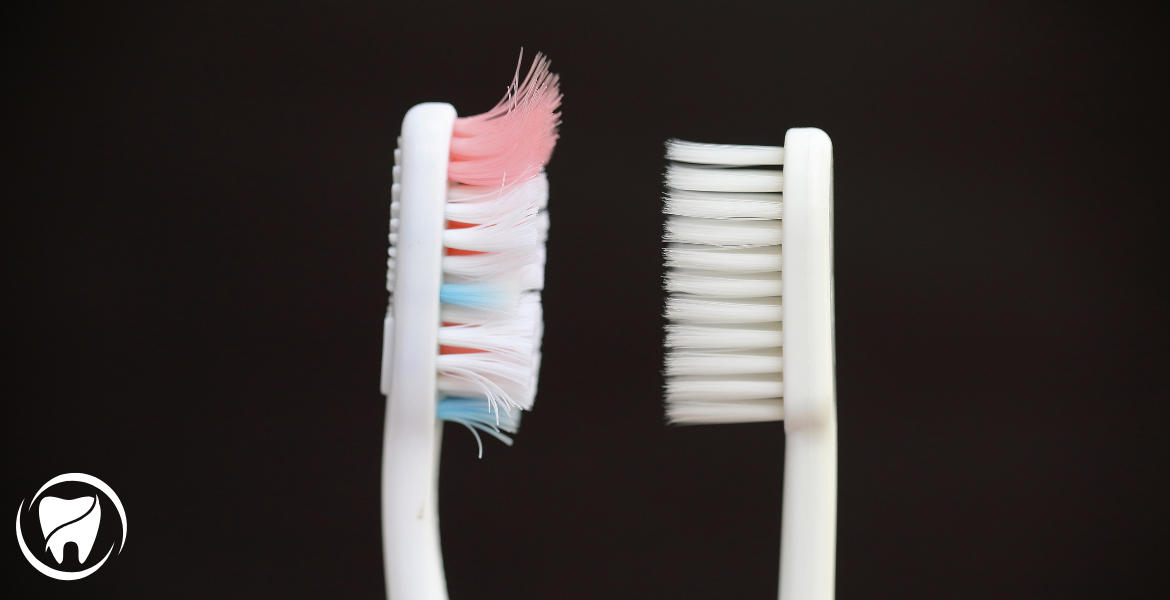
Frayed or Bent Bristles: Take a close look at your toothbrush. Are the bristles sticking out in different directions? Do they look flattened or bent? Frayed bristles can’t effectively reach between teeth or along the gumline where plaque tends to accumulate. Once your toothbrush begins to lose its shape, it’s time for a new one.
You Recently Had an Illness: If you’ve been sick with the flu, strep throat, COVID-19, or another contagious illness, it’s a good idea to replace your toothbrush after you’ve recovered. While the risk of reinfection from your toothbrush is generally low, replacing it provides extra peace of mind and helps eliminate lingering germs.
Your Toothbrush Looks Dirty: Mineral deposits, toothpaste buildup, or discoloration are signs that your toothbrush has seen better days. Even with proper rinsing after each use, toothbrushes don’t last forever. If it doesn’t look clean, it probably isn’t cleaning your teeth as well as it should.
You Brush Aggressively: Some people naturally brush with more pressure than others. While vigorous brushing doesn’t necessarily clean better, it does wear out toothbrush bristles much faster. If you notice your toothbrush becoming worn after only six to eight weeks, you may be brushing too hard. Gentle, circular motions are much more effective and safer for your enamel and gums.
Do Electric Toothbrush Heads Need to Be Replaced?
Yes! One common misconception is that electric toothbrushes last indefinitely. While the handle may last for years, the brush head should still be replaced every three to four months, or sooner if the bristles become worn.
In fact, because many electric toothbrushes move thousands of times per minute, the bristles may wear out just as quickly as those on a manual toothbrush. If your electric toothbrush includes reminder bristles that fade in color, pay attention to them. They’re designed to let you know when it’s time for a replacement.
How to Make Your Toothbrush Last Longer
Although toothbrushes need regular replacement, proper care can help them stay clean and effective throughout their lifespan.
Here are a few simple oral hygiene tips:
- Rinse your toothbrush thoroughly after every use.
- Store it upright so it can air dry.
- Avoid covering the toothbrush while it’s wet, as trapped moisture encourages bacterial growth.
- Don’t share toothbrushes with others.
- Keep toothbrushes from touching one another if multiple family members store them together.
Following these habits helps reduce bacteria and keeps your toothbrush in better condition until it’s time for a replacement.
Good Brushing Habits Matter More Than the Brush
Replacing your toothbrush regularly is important, but it’s only one part of maintaining a healthy smile.
To keep your teeth and gums in great shape, remember to:
- Brush your teeth for two minutes, twice a day.
- Floss every day.
- Use fluoride toothpaste.
- Limit sugary snacks and drinks.
- Visit your dentist every six months for routine cleanings and exams.
These healthy habits work together to prevent cavities, gum disease, and other dental concerns before they become more serious.
Keep Your Smile Healthy with New Braunfels Dentists
Your toothbrush is one of the simplest tools you use to protect your oral health, but only if it’s in good condition. Replacing your toothbrush every three to four months, or sooner when needed, ensures you’re getting the most effective clean every time you brush.
If it’s been a while since your last dental visit, now is a great time to schedule an appointment. At New Braunfels Dentists, our team is committed to helping patients of all ages maintain healthy, confident smiles through preventive care, patient education, and personalized treatment.